
A Tale of Two Legends: Taj Mahal and Burj Khalifa
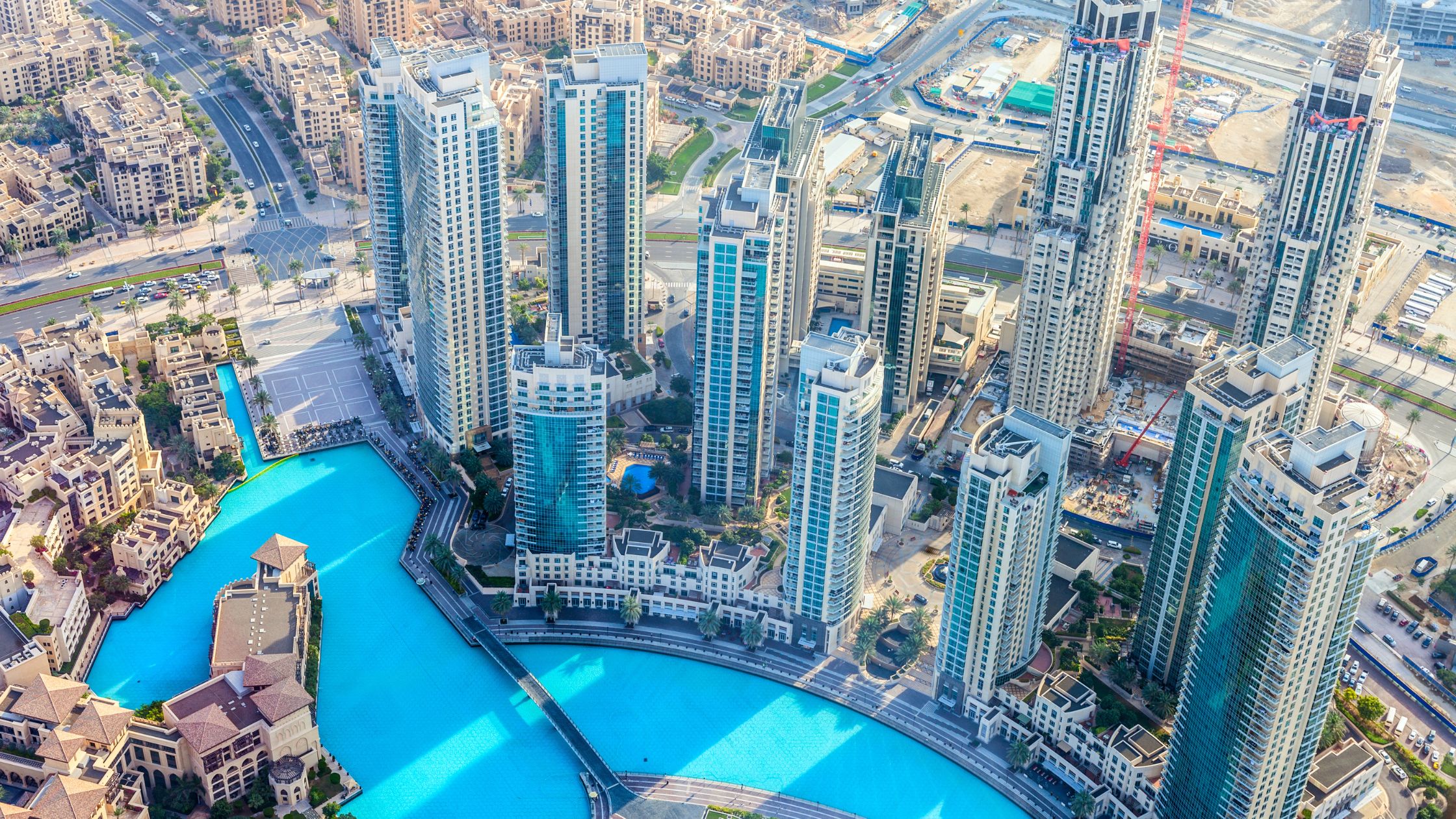
When it comes to iconic architecture, the Taj Mahal and Burj Khalifa are in a league of their own. One stands as a symbol of eternal love, and the other, a tribute to human ambition. While the Taj Mahal in Agra draws millions of visitors each year with its Mughal grandeur and poetic symbolism, the Burj Khalifa in Dubai, the tallest building in the world, dazzles with futuristic innovation.
What’s fascinating is how these two icons — despite being separated by geography, culture, and centuries — both represent the best of their civilizations. The Taj was built by Emperor Shah Jahan in 1632 to memorialize his beloved wife Mumtaz Mahal, a marvel of Islamic-Persian architecture (UNESCO World Heritage). On the other hand, the Burj Khalifa, completed in 2010, stands at 828 meters, representing Dubai’s transformation from a desert town to a global metropolis (Burj Khalifa Official).
Interestingly, both India and Dubai honor their architectural icons with elaborate tourism ecosystems. Tourists can experience the Taj Mahal via luxury trains like Maharajas’ Express, while Burj Khalifa offers sky-high dining and observatory decks (At The Top).
For Indian travelers, standing at the foot of the Burj Khalifa often evokes a familiar sense of awe — akin to the first time seeing the Taj Mahal. Both are reminders that design and emotion, when fused, can create lasting legacies.
Indian Heritage in Dubai: Cultural Bridges and Shared Histories
Dubai’s skyline may be futuristic, but its streets are filled with traces of Indian heritage. Over 3.5 million Indians live in the UAE, making up the largest expatriate community. As a result, Indian culture is woven deeply into the city’s social and architectural fabric.
From temples like the Shiva Temple in Bur Dubai (Hindu Temple Dubai) to the colorful spice shops of Meena Bazaar, Indian culture thrives in every corner. Even Dubai’s gold souks and textile markets resemble Indian bazaars, reflecting a century-old trading relationship between the two regions.
Architecturally, many structures in Dubai have been influenced by Indo-Islamic designs, including arches, domes, and intricate latticework. Meanwhile, Indian real estate developers like Sobha Realty are now shaping parts of the Dubai skyline, building luxury towers such as Sobha Hartland, a waterfront community along the Dubai Canal.
Culturally, Dubai celebrates Diwali and Holi at a massive scale, with concerts, fireworks, and public events. Restaurants like Indego by Vineet and Bombay Brasserie serve authentic Indian cuisine with a luxury twist, making it feel like home for Indian visitors.
So when Indian tourists gaze at the Burj Khalifa or the Museum of the Future, they are not just looking at foreign innovation — they’re witnessing a fusion of cultures where Indian legacy continues to influence Dubai’s future.
Bollywood Meets the Burj: Entertainment Across Borders
If there’s one thing that both India and Dubai are passionate about, it’s cinema and entertainment. Bollywood’s connection to Dubai runs deep — from blockbuster films shot against Dubai’s stunning backdrops to A-list celebrities attending gala events and owning homes in the UAE.
Major movies like Happy New Year, Race, and Welcome have prominently featured Dubai’s skyline, with scenes set in Atlantis The Palm, Burj Khalifa, and Dubai Marina. These visual stories not only entertain millions but also fuel tourism interest among Indian fans.
Dubai’s Bollywood Parks Dubai, part of Dubai Parks and Resorts, is a theme park entirely dedicated to Indian cinema. It features rides, performances, and recreated sets from hit films. While it temporarily closed in 2023 for a revamp, a more immersive experience is expected in its relaunch — another testament to the cultural bridge between the two nations.
Events like the IIFA Awards and Filmfare Middle East Achievers Night are frequently hosted in Dubai, drawing big Bollywood names and fans. Stars like Shah Rukh Khan and Salman Khan are regulars at such events, further fueling the fandom.
Additionally, with platforms like Zee5 Global and JioCinema, Indian digital content is widely accessible in the UAE. So whether you’re lounging in your Dubai hotel room or taking a dhow cruise, a touch of Bollywood is never far behind.
Travel Fusion: Experiencing India in the Heart of Dubai
For Indian travelers, Dubai is not just a destination — it’s a familiar yet aspirational playground where desi comfort meets global flair. From direct flights and Indian visa-on-arrival eligibility to the acceptance of INR for shopping via cards and apps, Dubai is one of the most Indian-friendly international destinations.
Indian travelers often start their Dubai journey with a touch of home. Many stay in neighborhoods like Karama or Bur Dubai, where they can savor street food like pani puri and dosa before heading out to explore global attractions like the Dubai Frame or Ain Dubai.
Shopping is another major draw. While India has bazaars, Dubai boasts mega-malls like The Dubai Mall and Mall of the Emirates, where Indian brands like FabIndia, Biba, and Manyavar have made their mark. And during Dubai Shopping Festival, Indian tourists enjoy major discounts and raffles — just in time for the wedding season or Diwali shopping.
Even spiritually, there’s a connection. The new Hindu Temple in Jebel Ali, opened in 2022, symbolizes religious inclusivity and offers Indian expats and tourists a place of worship amid Dubai’s diverse landscape.
So whether you’re looking for the elegance of Mughal-inspired spas or South Indian breakfasts before skydiving, Dubai offers a cross-cultural travel experience. It’s where the grandeur of the Taj meets the glamour of the Tower, offering Indian travelers the best of both worlds.
From timeless Indian influences to futuristic Emirati skylines, the synergy between India and Dubai creates a unique travel narrative. Whether it’s architecture, entertainment, or culture, this fusion story resonates powerfully. For Indian travelers, Dubai is more than just a destination — it’s a dazzling extension of home with a cosmopolitan twist.